

How does the cooling system of an all - electric motorcycle work?
Leave a message

How does the cooling system of an all - electric motorcycle work?
As a supplier of all - electric motorcycles, I'm often asked about the intricacies of our products, especially how the cooling system functions. In this blog post, I'll delve into the details of how the cooling system of an all - electric motorcycle operates, and why it's crucial for the performance and longevity of the vehicle.
The Importance of Cooling in All - Electric Motorcycles
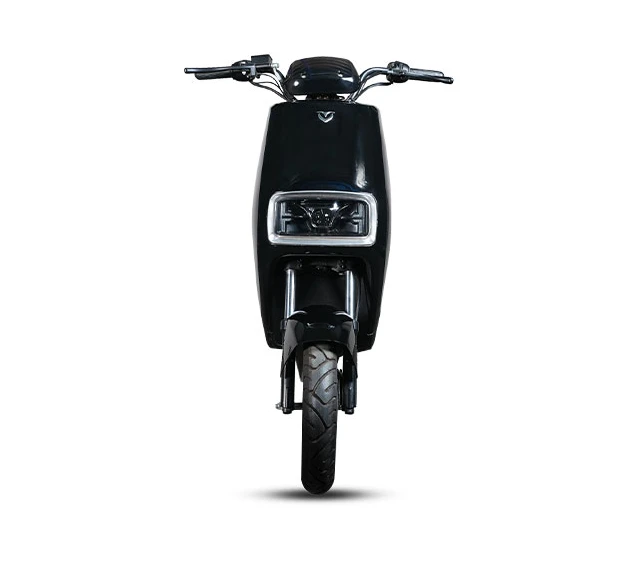
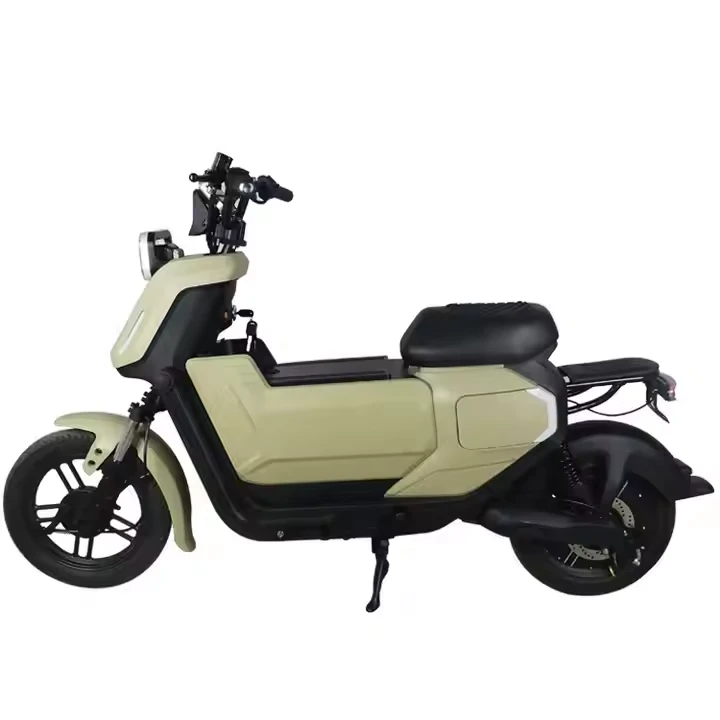
All - electric motorcycles, like Zero-emission Environmentally Friendly Electric Motorcycle, rely on electrical components such as batteries and electric motors to function. These components generate heat during operation. Excessive heat can lead to a range of problems, including reduced battery life, decreased motor efficiency, and even potential safety hazards. Therefore, an effective cooling system is essential to maintain optimal operating temperatures.
Components of the Cooling System
The cooling system of an all - electric motorcycle typically consists of several key components:
- Coolant: A coolant is a fluid that absorbs heat from the components and transfers it away. In most all - electric motorcycles, a special coolant is used that has good heat - transfer properties and is non - conductive to prevent electrical short - circuits.
- Cooling Channels: These are passages within the battery pack and the electric motor through which the coolant flows. The design of these channels is carefully engineered to ensure efficient heat transfer. For example, they may be arranged in a way that maximizes the contact area between the coolant and the heat - generating components.
- Pump: The pump is responsible for circulating the coolant through the cooling channels. It creates the necessary pressure to move the coolant from the components where heat is absorbed to the radiator or other heat - dissipation devices.
- Radiator: The radiator is a heat exchanger that transfers the heat from the coolant to the surrounding air. It consists of a series of fins and tubes that increase the surface area available for heat transfer. As the hot coolant passes through the tubes, air flowing over the fins cools the coolant, reducing its temperature.
How the Cooling System Works
The operation of the cooling system can be described in the following steps:
- Heat Generation: When the all - electric motorcycle is in use, the battery and the electric motor generate heat. For instance, during acceleration, the electric motor draws a large amount of current, which causes it to heat up. Similarly, the battery releases heat as it discharges to power the motor.
- Coolant Absorption: The coolant, which is initially at a lower temperature, enters the cooling channels within the battery and the motor. As it flows through these channels, it absorbs the heat generated by the components. The heat transfer occurs through conduction, where the heat moves from the hot components to the cooler coolant.
- Circulation: The pump starts to operate, forcing the heated coolant out of the battery and motor and into the radiator. The pump ensures a continuous flow of coolant, maintaining a consistent cooling process.
- Heat Dissipation: Once the hot coolant reaches the radiator, the heat is transferred to the surrounding air. The fins on the radiator increase the surface area, allowing for more efficient heat transfer. As the air passes over the radiator, it carries away the heat, cooling the coolant.
- Return to Components: After the coolant has been cooled in the radiator, it is pumped back to the battery and the motor to repeat the process. This continuous cycle of heat absorption, transfer, and dissipation helps to keep the components at a stable and safe operating temperature.
Different Types of Cooling Systems
There are different types of cooling systems used in all - electric motorcycles:
- Air - Cooling: Some all - electric motorcycles use air - cooling systems. In this type of system, the heat is dissipated directly to the surrounding air without the use of a coolant. Instead, the components are designed with fins or other features that increase the surface area for air to flow over and carry away the heat. Air - cooling systems are relatively simple and lightweight, but they may not be as effective in high - performance or high - load situations. For example, Electric Motorcycle for Ride may use an air - cooling system for its more basic models.
- Liquid - Cooling: Liquid - cooling systems, as described above, are more common in high - performance all - electric motorcycles. They offer better heat - transfer capabilities and can maintain more precise temperature control. The Hot Selling Electric Motorcycles With 1000W Rear Hub Motor 60V Integrated Battery Disc Brake Electric Scooter Moto Electrica often comes equipped with a liquid - cooling system to handle the high power output and associated heat generation.
Benefits of an Efficient Cooling System
An efficient cooling system provides several benefits:
- Improved Performance: By maintaining optimal operating temperatures, the battery and the electric motor can perform at their best. This results in better acceleration, higher top speeds, and more consistent power delivery.
- Extended Battery Life: High temperatures can degrade the battery over time, reducing its capacity and lifespan. A good cooling system helps to keep the battery within a safe temperature range, which can significantly extend its useful life.
- Enhanced Safety: Overheating can pose safety risks, such as the potential for battery fires or electrical malfunctions. The cooling system helps to prevent these issues by keeping the components cool and stable.
Conclusion
In conclusion, the cooling system of an all - electric motorcycle is a complex and crucial part of the vehicle. It plays a vital role in maintaining the performance, longevity, and safety of the battery and the electric motor. Whether you're looking for a Zero - emission Environmentally Friendly Electric Motorcycle for daily commuting or a high - performance Electric Motorcycle for Ride, understanding how the cooling system works can help you make an informed decision.
If you're interested in purchasing our all - electric motorcycles or have any questions about our products, we welcome you to contact us for procurement discussions. We're committed to providing high - quality all - electric motorcycles with advanced cooling systems to meet your needs.
References
- "Electric Vehicle Thermal Management Systems" by various authors in industry research reports.
- Technical specifications and documentation provided by all - electric motorcycle manufacturers.


